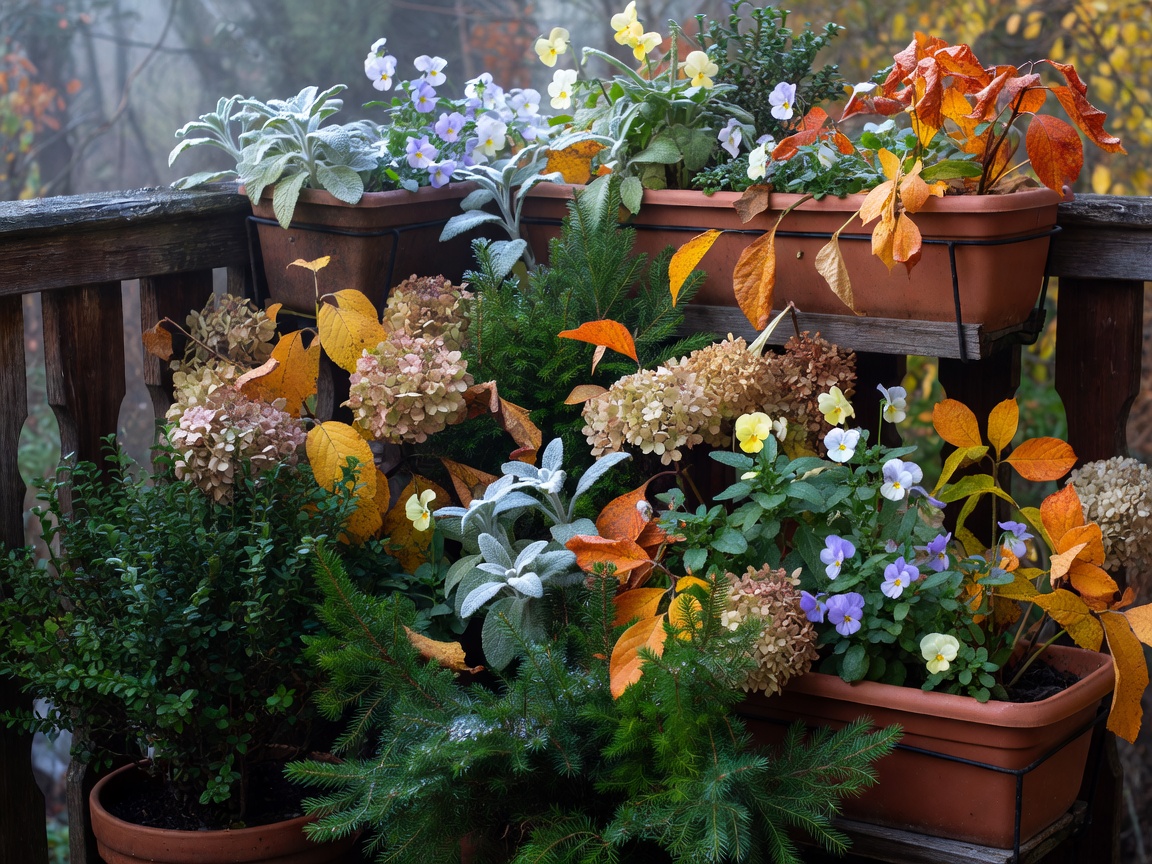
Use local conditions as the calendar
European winter conditions vary substantially. Coastal, inland, Mediterranean, northern and mountain locations can experience different frost risk, rainfall, wind and day length. Even neighbouring balconies differ because of orientation, building shade and height. Treat the seasonal notes below as inspection prompts. Use local forecasts and plant-specific hardiness guidance before moving or planting sensitive species.
Keep a short record of the last damaging cold spell, hot periods, wind exposure and which pots dried quickly. This is more useful than applying a fixed month-by-month schedule to every city.
Spring: inspect, clean and prepare
Check containers for cracks, blocked outlets, compacted media and winter damage. Clear leaves and debris without pushing waste into drains. Clean reusable pots and tools appropriately before planting. Review the balcony’s light again: deciduous trees, neighbouring plants and seasonal sun angles can alter exposure.
Refresh media where needed and select plants for the expected local conditions. Add fresh herbs or seasonal flowers when temperatures and plant guidance make it suitable. Tender plants should not be moved outside simply because the calendar says spring; monitor local frost warnings and protect sensitive growth. Check that supports, ties and screens remain stable without attaching anything where permission is required.
Summer: manage water, heat and wind
Check moisture regularly during warm or windy periods. Watering needs depend on plant, container volume, media, exposure, rainfall and growth stage. Smaller pots and hot, exposed positions may dry faster. Water the root area as appropriate and avoid leaving containers permanently waterlogged. Early or later watering may reduce rapid evaporation, but follow local water restrictions and plant guidance.
Move containers only when safe and useful. Temporary shade can help plants stressed by intense heat, but it should not block ventilation or create an unsecured sail in wind. Monitor wall and paving heat. Harvest edible plants regularly where appropriate and replace finished crops with varieties suited to the remaining season. Keep access to drains and doors open.
Autumn: transition carefully
Remove dead or diseased plant material where appropriate. Prune only when the plant’s care requirements call for it; untimely pruning can damage some plants or remove future growth. Replace fading annuals with seasonally suitable plants if conditions allow. Reduce feeding or watering where plant growth slows, guided by the crop and media instructions rather than a universal date.
Identify sensitive plants and containers that may need shelter or relocation before severe weather arrives. Move heavy pots only with safe handling and without obstructing access. Check balcony rules before adding covers, barriers or fixings. Clear drainage after leaf fall and inspect standing water, especially after prolonged rain.
Winter: protect, check and water less when appropriate
Wind can damage foliage and dry containers even when temperatures are low. Grouping pots in a sheltered position may help, but do not block exits or drainage. Protect containers and plants according to their material and species needs. Some pots can crack if wet growing media freezes; others are built for outdoor exposure. Follow container and plant guidance.
Many plants use less water in cold weather, but evergreen plants and sheltered dry pots may still need occasional attention. Check moisture before watering. Do not water frozen media or allow containers to sit in standing water. Use local forecasts to respond to frost and cold snaps. No one winter-protection method suits every European balcony.
Compare by exposure, not month
A sunny, sheltered balcony may need summer shade and frequent moisture checks. A windy, exposed one may require more secure placement and resilient plant choices. A shaded, rain-exposed balcony may need fewer waterings but closer attention to drainage and light. Select seasonal tasks according to those conditions. For edible crops, check sowing and harvest guidance for the specific variety and your region.
Maintain an access route through every season. Store tools where they cannot fall or block movement. Before adding winter covers, confirm that they are permitted and properly secured. Never assume a railing, wall or balcony floor can support an attachment or concentrated load.
Good for
Balcony gardeners who want a repeatable maintenance routine, need to protect plants through weather changes, or grow a mix of permanent and seasonal containers.
What to know
There is no universal schedule for Europe. Frost, heat, wind and rainfall vary by region and site. Use current local forecasts, plant-specific instructions and building requirements. Seek qualified advice where plant protection or balcony safety is uncertain.
Related field guides
Need a practical starting point?
Send a question about seasonal planning or balcony exposure.
Contact the atlas